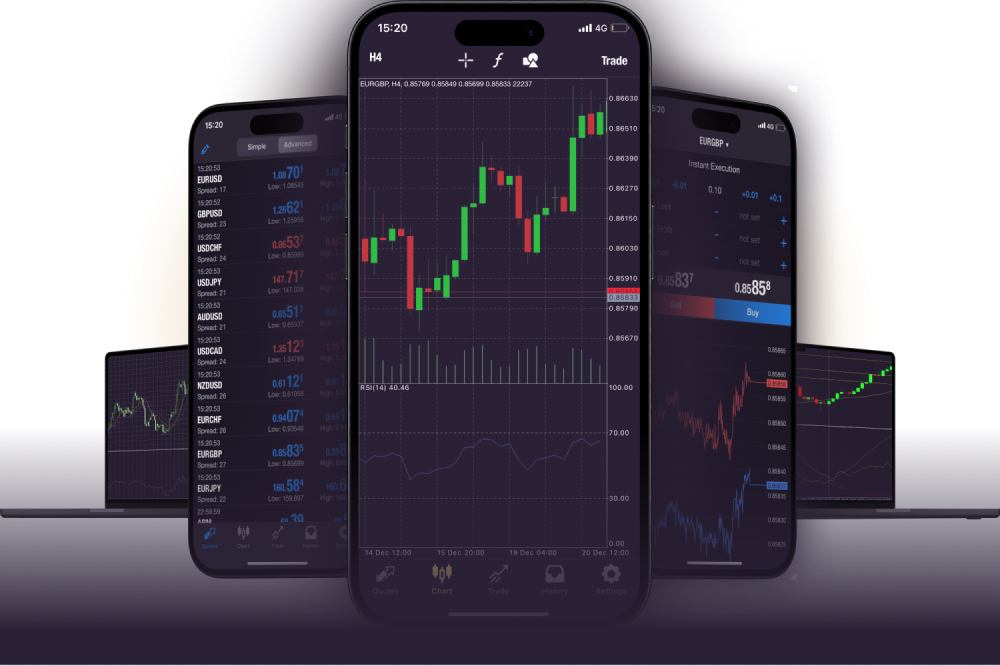
Forex trading, often known as foreign exchange trading, has grown into one of the most popular forms of investment. It involves exchanging one currency for another, frequently to profit from changes in currency values. But how do beginners transition into expert traders? Here’s a breakdown of 10 steps that can help you master Forex Trading.
1. Understand Forex Basics
Start by learning the fundamentals. Understand how currency pairs like EUR/USD work and familiarize yourself with commonly used terms such as “pips,” “spreads,” and “leverage.” A solid foundation is essential for long-term success.
2. Choose a Reliable Forex Broker
Not all brokers are created equal. Look for a regulated broker with a good reputation, competitive spreads, and user-friendly trading platforms. Consider platforms like MetaTrader 4 or 5, which are widely used by traders worldwide.
3. Open a Demo Account
Before risking real money, practice with a demo account. This allows you to trade using virtual funds and helps you understand market conditions, test strategies, and get the hang of the trading platform.
4. Learn to Read Charts and Indicators
Understanding how to analyze candlestick charts and indicators such as moving averages and Relative Strength Index (RSI) is crucial. Effective technical analysis helps traders predict market trends and make informed decisions.
5. Explore Fundamental Analysis
Economic data, geopolitical events, and central bank policies significantly influence currency movements. Fundamental analysis helps evaluate these factors, allowing traders to understand their impact on forex markets.
6. Start with a Trading Strategy
Choose a trading strategy that fits your goals and risk tolerance. Popular strategies include scalping, day trading, swing trading, and position trading. Consistency in your approach is critical for measurable results.
7. Manage Risk Effectively
Experience shows that successful traders don’t just aim to win—they focus on minimizing losses. Use stop-loss orders and trade only with an amount you’re comfortable losing. Risk management should be a priority.
8. Monitor Global News and Events
Currencies are heavily affected by news. Events such as elections, policy changes, and economic reports can drastically impact markets. Staying updated with global developments is vital.
9. Keep a Trading Journal
Track your trades to identify strengths and areas for improvement. A journal is a powerful tool for analyzing what works and what doesn’t in your trading strategy.
10. Be Patient and Consistent
Finally, perfecting forex trading takes time. Avoid letting emotions dictate your decisions and focus on learning from your experiences. Consistency and patience are the keys to evolving from a beginner to an expert.
With these steps, anyone can build a strong foundation in forex trading. Remember, success in forex requires practice, discipline, and constant learning.